

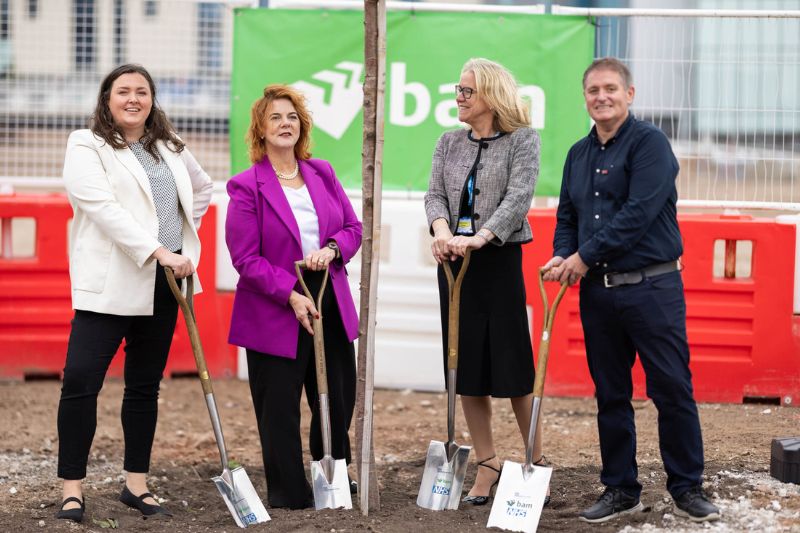
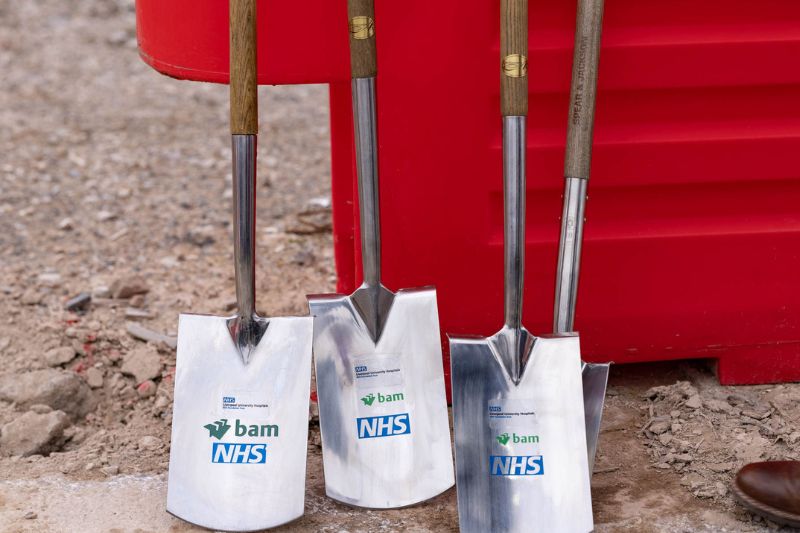
The first of 163 trees has been planted at the Royal Liverpool University Hospital campus, marking the start of a new nature park designed to support biodiversity and improve outdoor spaces for patients, staff and the wider community.
The project is being delivered by BAM UK & Ireland in partnership with the Eden Project and NHS University Hospitals of Liverpool Group.
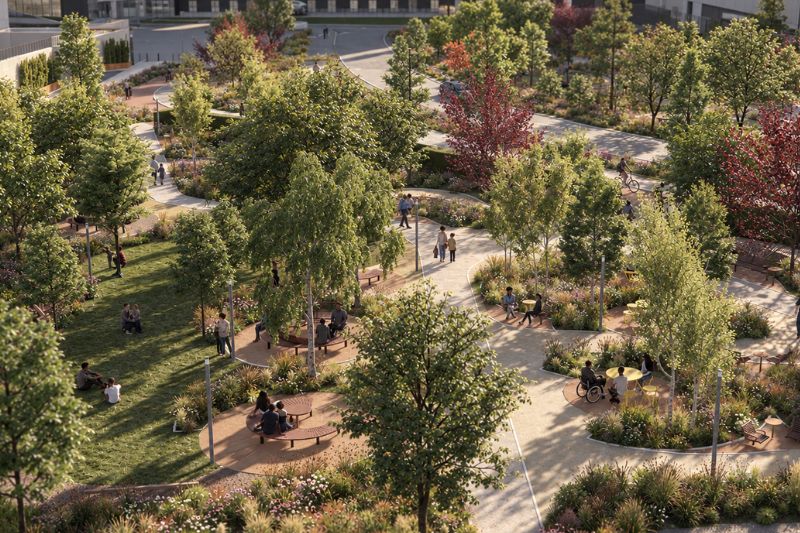
The scheme will introduce 170,000 bulbs, native wildflower meadows, wildlife habitats and outdoor spaces intended to support wellbeing and biodiversity.
The park is the first project to be delivered through BAM and the Eden Project’s exclusive collaboration.
Speaking to Building Better Healthcare during a site visit, Kim Sides, Executive Director of Construction at BAM UK & Ireland, described the scheme as a significant step in improving the hospital estate.
“This is not a token little park around the back,” she said. “This is extremely real and part of a holistic approach.”
The park is expected to be completed in October 2027, creating accessible routes, natural play areas, wildlife-friendly planting and places to relax.
From collaboration to construction
BAM and the Eden Project announced their exclusive collaboration in 2025, with an ambition to make nature a more integral part of the built environment.
The organisations set out to combine their expertise to deliver practical projects, share knowledge and encourage more nature-positive approaches across construction.
Dan James, Development Director at the Eden Project, said that BAM had approached the organisation about working together.
The discussions took around six to nine months, allowing both sides to establish that the partnership would lead to practical action rather than simply a shared sustainability message.
The Eden Project, a visitor attraction in Cornwall known for its vast biomes housing plants from different climates around the world, was created by transforming a disused china clay pit into a site for plant science, conservation and environmental education.
James said that experience demonstrated how damaged landscapes could recover and become places that benefit both people and nature.
He believes the same principles should influence healthcare estates, where green space can be an important part of the patient, visitor and staff experience.
Nature isn’t a luxury; it isn’t a decoration. Nature is part of the infrastructure that supports our lives.
“There can hardly be a more important place to demonstrate that than a hospital,” said James.
A community asset
For BAM, the opportunity grew from its existing relationship with the Royal Liverpool hospital estate.
The company had worked on smaller buildings and improvements around the site before proposing a more ambitious approach to the next stage of work.
Sides said NHS organisations could not replace their entire estates at once, making improvements to existing sites important alongside major redevelopment programmes.
She added that BAM brings sustainability options to clients on every project, although budgets and timescales can limit what is possible.
In Liverpool, the wider ambition for the site offered an opportunity to take a more comprehensive approach and bring nature into the heart of the city centre, by drawing on the Eden Project's expertise.
The scheme was approved by Liverpool City Council and is funded by the New Hospital Programme.
Sides said the Eden Project partnership was intended to influence BAM’s wider work, rather than simply provide a sustainability label.
It’s not a construction project. This is a community asset, she said.
The project team confirmed that the scheme represents a £16.5m investment from the New Hospital Programme (NHP) to University Hospitals Leicester Group (UHLG), with BAM’s share of the project valued at approximately £10.56m.
Planting for people and wildlife
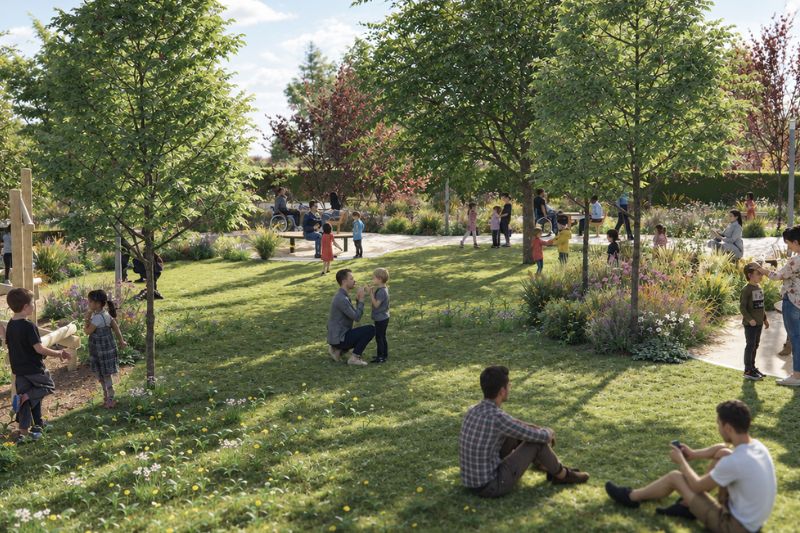
The landscape where the nature park is being developed has been designed to combine ecological improvements with spaces for patients, staff, visitors and local residents.
The park will occupy land formerly taken up by the old Royal Liverpool University Hospital, an 11-storey building that opened in 1978 and served patients across the region for more than four decades.
After the new 640-bed hospital opened in October 2022, the former building was decommissioned and demolition began in 2024, clearing the site for redevelopment.
The transformation will replace part of the former hospital footprint with public green space, bringing nature and places to pause into the wider hospital campus.
Zebrina Hanly, Sustainability Director at BAM UK & Ireland, said the planting would help establish a woodland-edge ecosystem, with trees, native shrubs, bulbs and wildflowers providing food and shelter for insects, birds and other wildlife.
Plans include 163 trees, approximately 100 metres of native shrubs and 170,000 bulbs.
Three large circular lawns will provide space for outdoor therapeutic activities, while the wider design includes level routes, a play area for children with different abilities, scented planting and quieter places to sit and reflect.
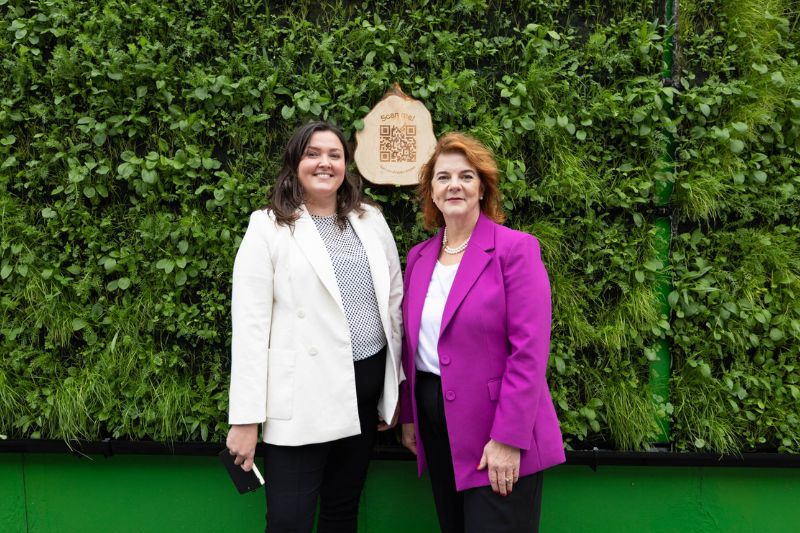
A 33-metre-long vertical meadow along the construction hoarding will introduce planting while work continues, improving the immediate environment and providing additional habitat.
Hanly said biodiversity and human wellbeing had been considered together from the outset, rather than leaving nature until the final stage of construction.
The intention is to provide a range of experiences, from short walks and family activities to quieter places for people to take a break from the hospital environment.
James said green space around hospitals should offer more than one ornamental garden.
Short, accessible walking routes, sensory planting and places where staff can step outside during demanding shifts can all help make nature part of the everyday experience of a healthcare site.
The Liverpool scheme also incorporates wildlife corridors and sustainable drainage features, with the landscape intended to support biodiversity while managing water and maintaining safe, accessible routes.
Local ecology and long-term resilience
Sides said nature-led construction required more than choosing attractive plants.
The landscape needed to reflect local ecological conditions and withstand changing weather over time.
“This is not just biodiversity and having more kinds of plants,” she said. “It’s actually what does the nature in that area need, and how do we support it?”
She highlighted the importance of selecting species suited to local conditions, which vary across the UK.
The partnership could also help BAM’s facilities management teams apply lessons about planting and nature to other sites, including schools.
The project’s supply chain is another area worth examining as the scheme progresses.
BAM reported that it spent £640m with local supply chains across its UK and Ireland projects in 2025, generating £581m in social local economic value, and creating and sustaining almost 3,000 jobs.
Sides said landscape planning must also consider water management and whether planting will establish successfully over the long term, rather than delivering only an immediate visual improvement.
“We’re not just talking about creating a nice garden for now,” she said.
It’s all been designed and planned to ensure it will be here for generations to come, not just the next five years.
She gave the example of a green wall at Broadgate Tower in London that had to be removed during major works.
The work was timed to avoid the bird-breeding season because goldfinches were nesting in the wall.
Sides said construction teams needed to recognise that sites were living environments and plan around nature’s cycles, not just the weather.
A model for future healthcare estates
Jenny Hannon, Group Chief Development Officer at NHS University Hospitals of Liverpool Group, described the nature park as an important part of the wider Royal campus masterplan, which aims to create a greener, more accessible site alongside future healthcare and research development.
The park is intended to support the group’s wider biodiversity goals, with the scheme aiming to exceed the statutory requirement for 10% biodiversity net gain.
Native planting and new wildlife habitats will sit alongside improved access routes, footpaths and cycleways in the current phase of redevelopment.
The wider masterplan covers the 24-acre former hospital site and sets out a longer-term vision for Health Innovation Liverpool, a proposed centre for health and life sciences research and clinical training.
Plans also identify plots for an estates office and energy hub, a multi-storey car park and potential clinical expansion.
A Maggie’s cancer support centre is also being developed on site by Wynne Construction.
For Sides, the project demonstrates why nature should be considered an integral part of healthcare estate planning, rather than an addition to be addressed once construction is complete.
NHS organisations cannot replace their entire estates at once, she said, making it important to improve existing environments while longer-term redevelopment plans progress.
The partnership will also inform BAM’s wider work, with lessons from Liverpool potentially applied to hospital and school grounds and infrastructure projects.
This is a particularly ambitious one, Sides said, adding that the aim was to make nature a more integral part of future projects.
James said he hoped the collaboration would help change expectations about how the built environment supports people and nature.
“If we can demonstrate it here, then perhaps we can start changing expectations about what places we build around the UK should do for people and nature,” he said.
Ultimately, Sides said, the park’s success would be reflected in whether it became an accepted and valued part of the hospital estate, rather than remaining distinct from it.
“The test is always people just take it for granted,” she said. “Like it was always there.”


