
Healthcare Estates 2026 brought together healthcare engineering, estates and facilities management professionals at Manchester Central on 13-14 October to explore the challenges shaping the future of the NHS estate.
Organised around the theme ‘Mind the Gap’, this year’s event focused on the divide between modern and ageing facilities, the need for investment in existing infrastructure and the challenge of delivering sustainable, digitally enabled healthcare environments.
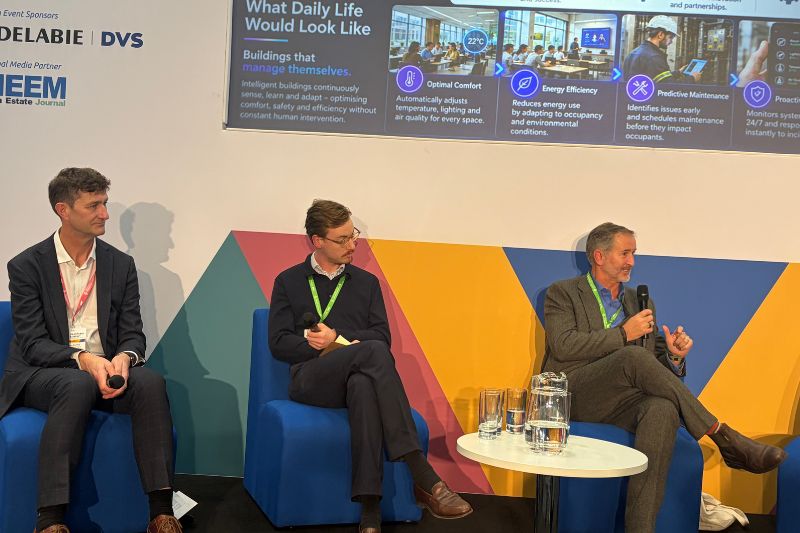
At a panel discussion titled ‘Bridging the digital divide: cross-sector lessons from higher education’, speakers from the New Hospital Programme and technology sector examined how lessons from higher education could help healthcare organisations make better use of digital systems and estate data.
Trevor Payne, Interim Chief Engineer at the New Hospital Programme, highlighted persistent challenges around ageing buildings, funding, workforce capacity and the gap between smart and non-smart estates.
He argued that healthcare and higher education face many of the same pressures and should collaborate more closely to share knowledge and solutions.
Eamonn Gorman, Deputy Director of Digital at the New Hospital Programme, said the NHS must look beyond introducing new technology and focus on what it needs to achieve.
With NHS trusts potentially operating thousands of separate systems, the priority is connecting existing data and understanding how it can be used to improve services and estate management.
Dr Carl Magnus von Behr, Director and Co-founder of Compliment, also emphasised the importance of reliable, well-maintained data before introducing AI.
While AI could help estates teams with routine tasks and make complex information easier to navigate, he warned that it could not compensate for poor-quality data or replace human oversight.
The discussion also highlighted the need to address legacy systems, cybersecurity risks and a shrinking pool of skilled engineers, alongside the importance of planning for technology replacement rather than allowing systems to run beyond their useful lives.
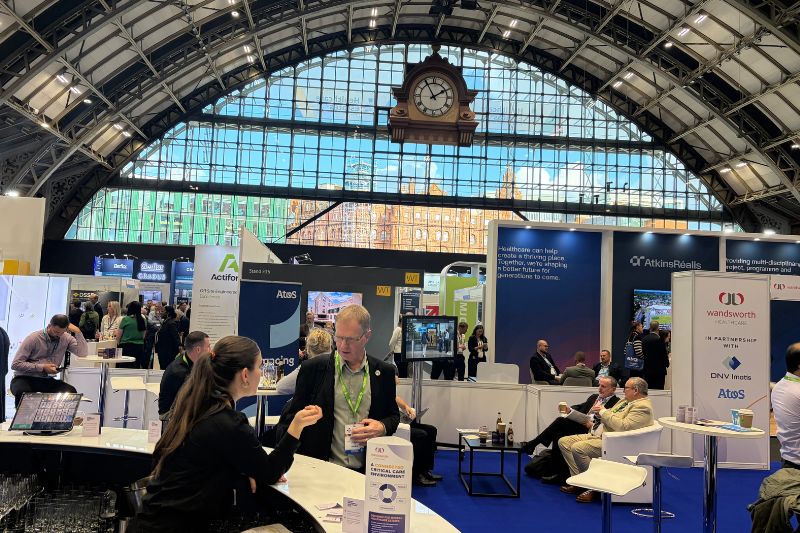
Beyond the conference sessions, Healthcare Estates featured an exhibition of more than 250 companies showcasing products and services spanning healthcare design and construction, facilities management, engineering, sustainability and smart building technology.
Every year, the event provides a forum for NHS estates leaders, engineers and industry partners to consider how investment, digital transformation and collaboration can help deliver safer, more sustainable and future-ready healthcare environments.