
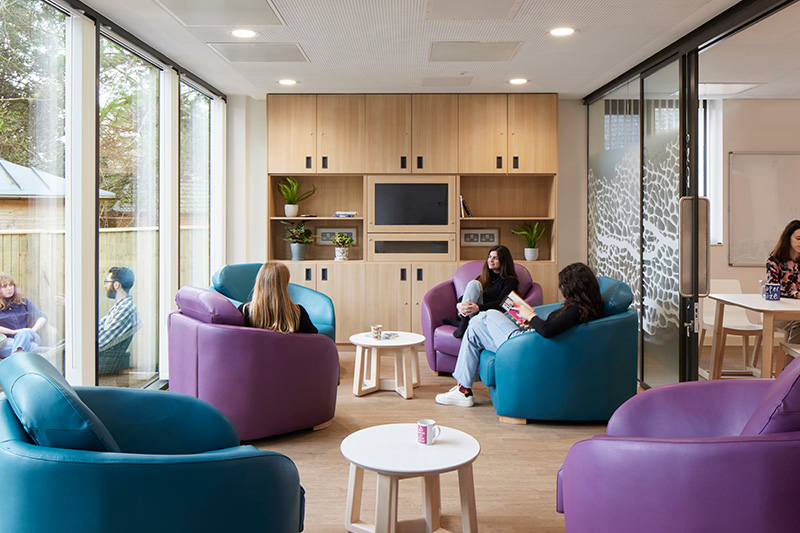
Recent statistics underscore the severity of the problem. There are over 120,000 full-time equivalent vacancies in the NHS, representing approximately 8% of the workforce, with housing affordability cited as a key factor influencing recruitment and retention. In many regions, newly qualified nurses spend more than 40% of their salaries on rent for a modest one-bedroom flat and for staff in London and the South East, this proportion rises significantly. With private rents rising faster than wages, many essential workers face long commutes, temporary shared accommodation, or even leaving the workforce altogether. This has a direct impact on patient care, continuity of services and the stability of public health systems.
hile the UK government has committed to building more hospitals, with a £3.7 billion programme initially intended for dozens of new NHS facilities, progress has been slower than anticipated. However, offsite or modular construction methods have emerged as a practical solution. Modular construction, which gained prominence during the building of Nightingale Hospitals during the COVID-19 pandemic, allows buildings to be fabricated offsite and delivered fully equipped within months rather than years. This method has proven particularly valuable for creating clinical spaces, surgical wings and essential healthcare infrastructure quickly and safely – and it can be used just as effectively in creating key worker accommodation.
Delivering high quality buildings
The need for key worker accommodation in the UK has never been more urgent. Key workers make up roughly onethird of the UK workforce (about 10.6 million people), a group significantly affected by housing affordability pressures. This means it is more than a practical necessity - it is an investment in resilience and community stability. By offering homes that are affordable, well-designed and conveniently located, employers and local authorities can reduce stress, improve work-life balance and ensure that essential services remain staffed by experienced and motivated personnel. Thoughtful accommodation solutions, whether through modular housing, refurbished properties, or purpose-built developments, create environments where key workers can live comfortably, thrive personally, and focus on the vital roles they perform every day.
Yet, delivering a building is only part of the story. The interior environment, particularly kitchens, bathrooms, bedrooms and storage areas, is crucial to creating homes that are genuinely liveable for essential workers. This is where fitted furniture solutions play a critical role. Quality furniture designed specifically for modular builds can transform functional, but basic spaces into comfortable, organised, and inviting homes. For NHS staff, returning from long shifts to a well-equipped, ergonomically designed kitchen or a bedroom with carefully planned storage can make a profound difference to wellbeing and morale.
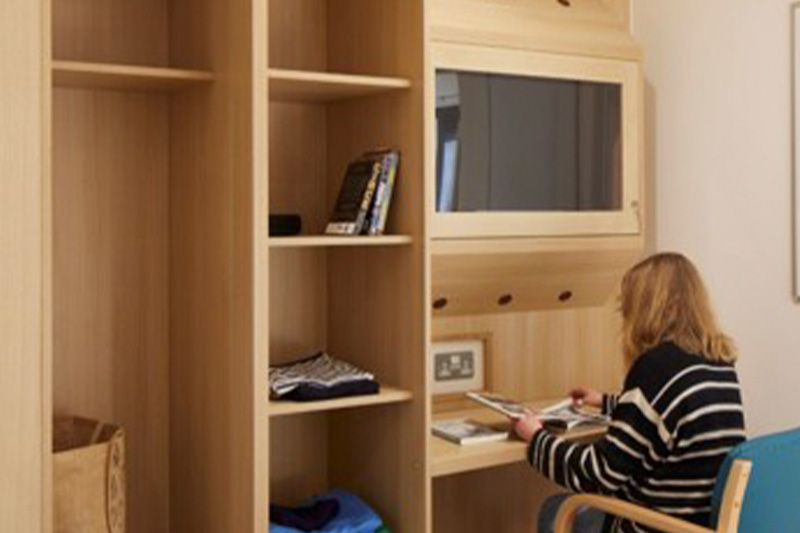
Working alongside modular construction companies, specialist fitted furniture providers like David Bailey Furniture, can design and manufacture bespoke solutions that integrate seamlessly with pre-fabricated modules. Detailed architectural drawings allow for precise measurement and installation, ensuring every piece fits exactly where it should. Reception areas, ward storage, kitchens, and bedrooms can all be customised, enhancing both functionality and aesthetics. This integration ensures that rapid construction does not mean compromising on comfort or quality, essential when supporting key workers who spend long hours on demanding shifts.
Making space count
The impact of such collaboration extends beyond physical comfort. High-quality fitted furniture maximises space efficiency, reducing clutter and helping residents maintain a sense of order in compact modular homes. It supports mental wellbeing, allowing healthcare staff to rest and recharge effectively. Well-designed kitchens and bathrooms encourage healthy eating and hygiene, while ample storage prevents overcrowding and stress. In short, quality fitted furniture turns modular units from mere structures into real homes where key workers can thrive.
The need for these solutions is urgent. With thousands of NHS roles unfilled and hundreds of hospitals and clinics in need of expansion or refurbishment, conventional construction alone cannot meet demand in time. Modular buildings, complete with pre-installed fitted furniture, can address this gap rapidly. In some cases, buildings can be delivered within 20 weeks from design to installation, far faster than the two-plus years traditional construction would take. Such speed is essential to ensure that frontline staff have access to affordable, comfortable housing and that new clinical facilities are ready for patients without undue delay.
Moreover, modular construction allows for flexibility in location. Sites near hospitals or clinics can be used to deliver homes for staff, reducing commute times and improving work-life balance. This is particularly relevant for younger workers or those relocating to take up NHS roles in high-demand areas. By combining modular efficiency with high-quality interior solutions, these homes become sustainable, comfortable and supportive environments, directly contributing to staff retention and workforce stability.
The case for investment
The case for investment is clear. Creating homes for essential workers is not just about social responsibility - it is a strategic investment in public services. Providing housing that is both affordable and well-furnished enhances recruitment, reduces staff turnover and improves overall workplace morale. Staff living near their workplaces are less likely to experience stress associated with long commutes and a comfortable home environment directly supports recovery after challenging shifts.
At the same time, the environmental and economic benefits of modular construction are substantial. Fewer materials are wasted, energy consumption is lower and the buildings themselves are designed to be energy-efficient and low-maintenance over time. Combining these advantages with tailored furniture solutions means that new developments for essential workers can be both sustainable and practical, maximising return on investment for local authorities, NHS trusts and developers.
Ultimately, the challenge of housing NHS staff and other essential workers is a multifaceted problem requiring innovative solutions. Modular construction provides speed, efficiency and sustainability, while fitted furniture ensures these spaces are genuinely liveable, supporting physical and mental wellbeing. When these elements work together, it is possible to create homes that not only address the urgent need for accommodation, but also foster a sense of pride, stability and community among residents.
For more information visit: davidbaileyfurniture.co.uk


