

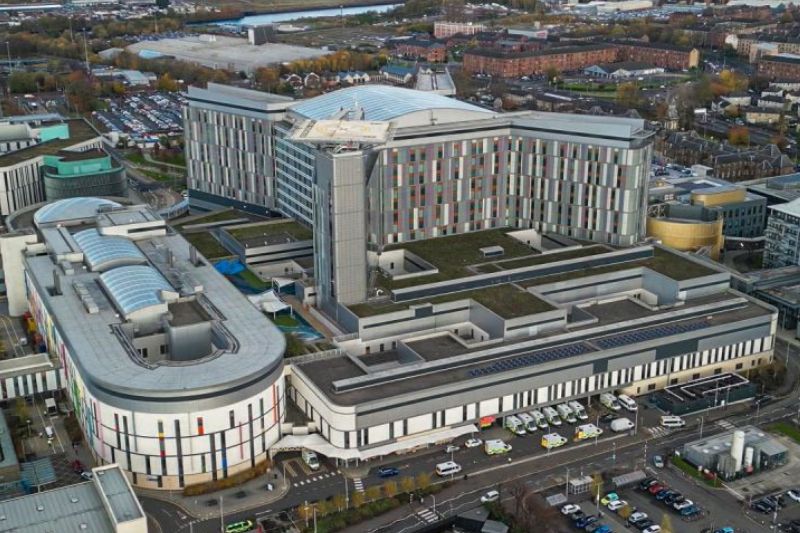
A new cancer ward is set to be developed at the Queen Elizabeth University Hospital after mould growth and building defects disrupted services within the existing bone marrow transplant unit.
NHS Greater Glasgow and Clyde has now confirmed it is progressing plans for a replacement facility.
The statement cites water ingress, ventilation shortcomings and wider infrastructure issues affecting the current ward as the reason.
The decision follows the discovery of mould in at least one room within the unit, which treats patients with severely weakened immune systems.
Several rooms have been taken out of use in recent weeks to allow for refurbishment and mitigation works.
During a Safety and Public Confidence Oversight meeting on 11 March, it was determined that further investment would be directed toward the development of a new Bone Marrow Transplant unit, and that an expert reference group would be created to support the programme.
Health board officials said a new unit is considered “necessary” to ensure resilience, full compliance with NHS standards, and to restore confidence among patients, staff and the public.
“We are supportive of the Board’s intention to bring forward a business case for a new adult Bone Marrow Transplant Unit and will work with them as this develops to ensure patient safety and high-quality service are at the forefront of the proposal”, said the Scottish Health Secretary, Neil Gray.
While NHSGGC maintains that the ward’s water systems are safe, it acknowledged that ventilation does not fully meet current guidance, with exemptions having been in place since 2017 alongside ongoing mitigation measures.
The proposed development is expected to require significant time and capital investment, with a business case to be brought forward in due course.
The move comes amid continued scrutiny of the hospital, which has been the subject of a public inquiry examining infections and deaths potentially linked to environmental factors such as water and ventilation systems.


