

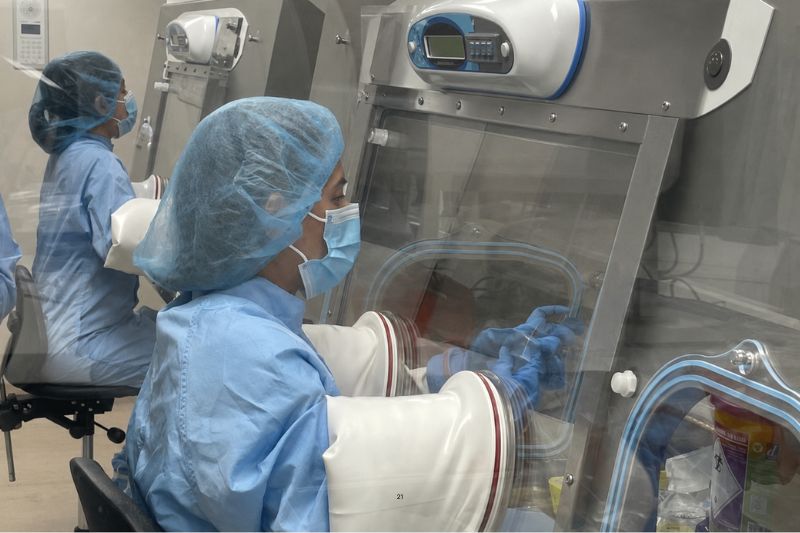
Behind the doors of King’s College Hospital’s two aseptic pharmacy units, every medicine prepared is made for a specific patient.
The service produces more than 100 personalised medicines every day, including chemotherapy, parenteral nutrition and clinical trial treatments.
Each dose is prepared, checked and released from a highly controlled cleanroom environment before reaching the ward.
“We don’t use the term manufacturer here,” explained Hélio Fazenda, former Chief Pharmacy Technician of Aseptic Services at King's College Hospital NHS Foundation Trust.
Unlike pharmaceutical manufacturers producing medicines in large batches, NHS aseptic teams prepare treatments tailored to individual clinical needs.
Operating under Section 10 of the Medicines Act 1968, the service enables NHS pharmacy teams to prepare complex medicines within hospital facilities while maintaining strict quality and safety controls.
Only a limited number of NHS trusts operate their own aseptic preparation facilities, with around 30 trusts providing these specialist services regionally, with about 100 of these units nationally.
During a recent visit, Building Better Healthcare saw how King’s team is balancing the demands of today’s treatments with plans to expand capacity for advanced therapies, including gene therapies.
Preparing medicines one patient at a time
The pharmacy’s workload is primarily focused on anti-cancer treatments, alongside parenteral nutrition for patients unable to eat normally and medicines supporting clinical trials.
Each prescription is clinically reviewed before technicians prepare the required materials inside positive-pressure isolators.
Independent checks are carried out before each product undergoes final inspection, pharmacist approval and release.
“A product will take at least a couple of hours from the moment we prepare the documentation all the way to the point where it gets released by one of our product approvers,” said Fazenda.
For medicines with limited shelf lives, timing is critical.
Some transplant treatments expire within just 90 minutes, requiring close coordination between pharmacy teams and clinical wards.
“There are so many different elements that have to come together,” said Fazenda.
“It’s not just about preparing the medicine; it’s about making sure every step is controlled, checked and delivered safely for that individual patient.”
Despite urgent requests, staff said aseptic preparation cannot be rushed.
“Because aseptic services are such high risk, if we were rushing products that's going to increase the risk of every single activity,” Fazenda said.
“You’re supposed to move slowly, carefully and considerately inside the cleanroom.”
Capacity is shaped by both workforce and equipment.
“It’s a mixture of people and equipment,” said Fazenda.
The team might be able to prepare 30 straightforward products in a day, but they won’t be able to prepare 30 complex products.
To manage demand, King’s can source some lower-risk preparations externally, allowing its own team to focus on complex, short-stability and high-risk therapies requiring specialist preparation on site.
Evolving regulatory landscape
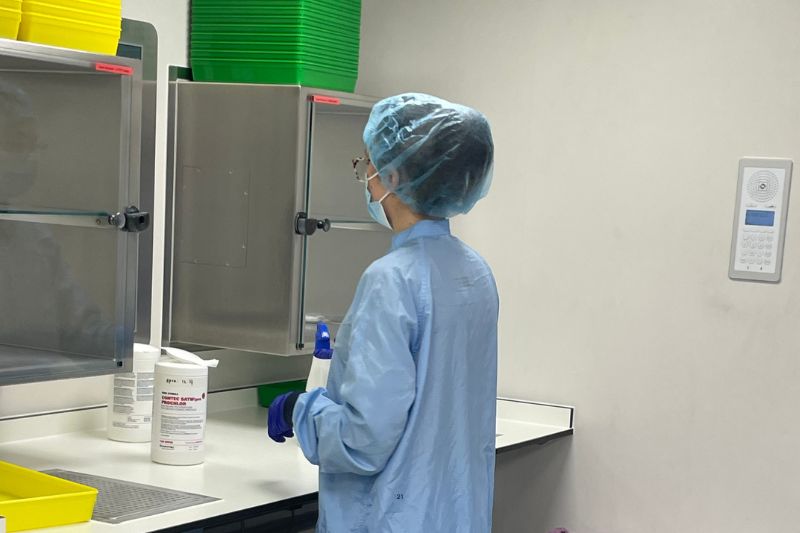
Alongside cleanroom operations, the department operates a pharmaceutical quality system covering environmental monitoring, change controls, risk assessments and deviation management.
Sam Mensah, Pharmacy Quality Assurance Specialist for Aseptic Services at King's College Hospital NHS Foundation Trust, said these processes are essential to maintaining safe production.
“We control our operations through change controls, risk assessments and deviations,” he said.
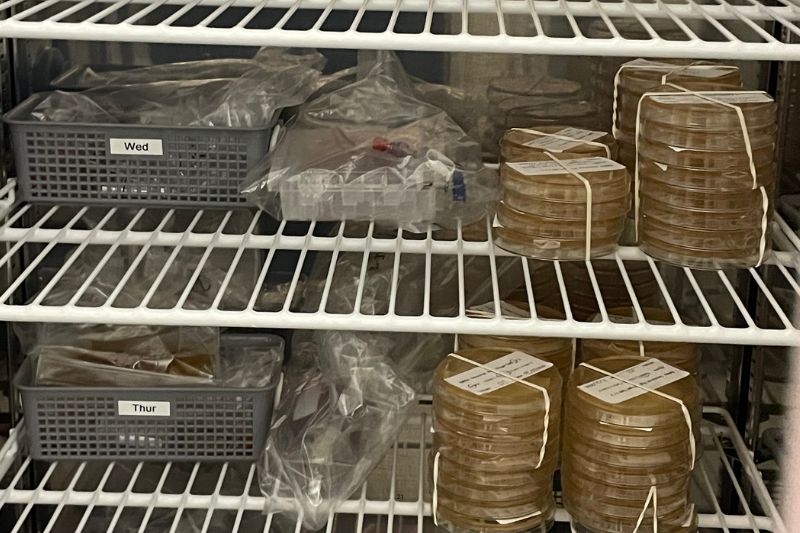
“We monitor the environment to make sure the standards are maintained, particularly the microbiology.”
Mensah said the department also takes a risk-based approach to cleanroom procedures, with environmental monitoring data supporting a streamlined gowning process that avoids unnecessary clothing changes while maintaining quality standards.
King’s is also preparing for updated UK guidance covering NHS Section 10 aseptic units, expected following consultation in October.
The updated guidance aims to strengthen consistency across services while recognising the operational challenges faced by NHS pharmacy teams.
Addressing the demand for advanced therapies
While the pharmacy continues to deliver established treatments, the team is also preparing for a future where personalised medicines become increasingly common.
The department is developing capability to support advanced therapy medicinal products (ATMPs), including CAR-T and gene therapies, which require different preparation processes and specialist facilities.
“Gene therapy is where we’re heading in terms of expanding our service,” said Laura Morgan, Associate Chief Pharmacist of the unit at King's College Hospital NHS Foundation Trust.
“We’re already doing this work, but we’re looking at how we can increase our capacity.”
As part of those plans, the team is proposing modifications to one of its cleanroom areas, including converting it from positive to negative pressure to support the preparation of gene therapies.
The department is also planning to replace its air handling unit (AHU), which is currently operating close to full capacity, to improve resilience and support future growth.
The team has secured research funding to support future development, helping build capability without relying solely on NHS capital investment.
“If we want to advance something and we want to do something exciting, it comes from us putting the work in to get a grant,” said Morgan.
The Trust is very supportive, but we also use our networks to identify new opportunities for developing advanced therapies.


