
The UK healthcare system is under immense pressure due to rising demand, longer waiting times, and higher bed occupancy rates.
These factors contribute to stress for patients awaiting treatment and information, which can, in turn, lead to longer recovery times, adding to the strain on the system.
Healthcare workers are also stretched beyond capacity to meet patient needs, making poor mental health and burnout significant challenges in the sector.
It is therefore vital for decision-makers and contractors to consider how they can build better wellbeing from the ground up.
Incorporating elements of the natural environment and selecting optimal furnishings are practical steps in promoting wellbeing without compromising durability or functionality, a key principle of biophilic design.
The great indoors
Healthcare environments are designed to maximise efficiency and hygiene, which often means aesthetic considerations take a back seat to ease of cleaning and safety.
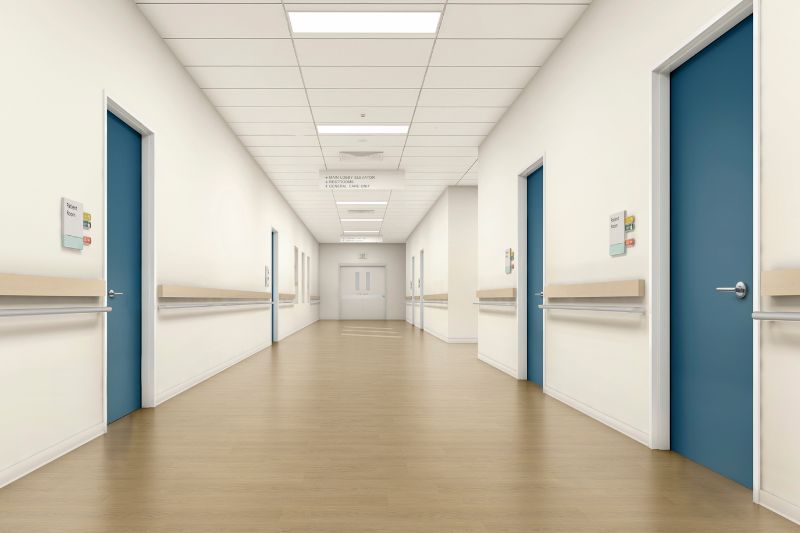
This can leave patient areas feeling clinical and uninspiring, with overstimulating features such as harsh artificial lighting.
Noise pollution is another common issue, as poor insulation in wards can make recuperation more difficult, potentially slowing recovery times.
One solution is to integrate biophilic design into healthcare spaces.
This approach brings elements of the natural world into the built environment, through plants and greenery in consultation rooms and waiting areas, and through maximising natural light where possible.
Biophilic design principles include direct connections to nature, improved air quality, and the use of naturalistic forms, textures, materials, and colours.
There is no single “right” way to implement these features, but the goal is to create spaces that feel restorative.
While minimalistic décor can promote calm, nature-inspired hues and textures for walls and floors provide a more engaging environment.
These design choices can enhance feelings of serenity and even support patient recovery.
Flooring with purpose
Resilient rubber flooring is an excellent choice for healthcare settings due to its durability and ease of maintenance.
For example, Interface’s new Noravant Timber range combines sustainable rubber with natural hues that mimic timber, offering the benefits of biophilic design without compromising practical performance.
Rubber flooring is available in a wide array of serene, nature-inspired shades and finishes, and it is particularly effective at reducing noise pollution: a key contributor to overstimulating hospital environments.
Luxury vinyl tiles and carpet tiles are also excellent options for areas such as reception and consultation spaces, where comfort and visual appeal are important.
The healthcare flooring sector now offers many biophilic options, giving specifiers flexibility when designing patient-focused environments.
Supporting staff wellbeing
Biophilic design benefits not only patients but also staff.
Over a quarter of healthcare absences are linked to psychiatric conditions, including anxiety and depression.
Prioritising employee wellbeing through thoughtful design can improve retention and engagement.
Incorporating greenery and natural features into break areas can have a calming effect on staff, helping them to relax and recover before returning to work.
While biophilic design is not a cure-all, it provides a cost-effective way to support mental health and reduce stress-related absences.
Perfect by design
As research continues into promoting wellbeing and reducing stress in healthcare, contractors, facilities managers, and specifiers can make a tangible impact through material choices.
Curating tranquil, healing spaces that incorporate natural elements can boost wellbeing for both patients and staff.
While biophilic design cannot solve all the challenges facing the sector, it offers a practical and effective means to enhance healthcare environments and support the people who use them.


