Despite more than a 75% increase in Government spending on healthcare in the last decade, overall health outcomes have not improved, and in some areas they have declined. The NHS continues to face challenges in making a strategic shift towards preventative care, leaving many individuals to take matters into their own hands.
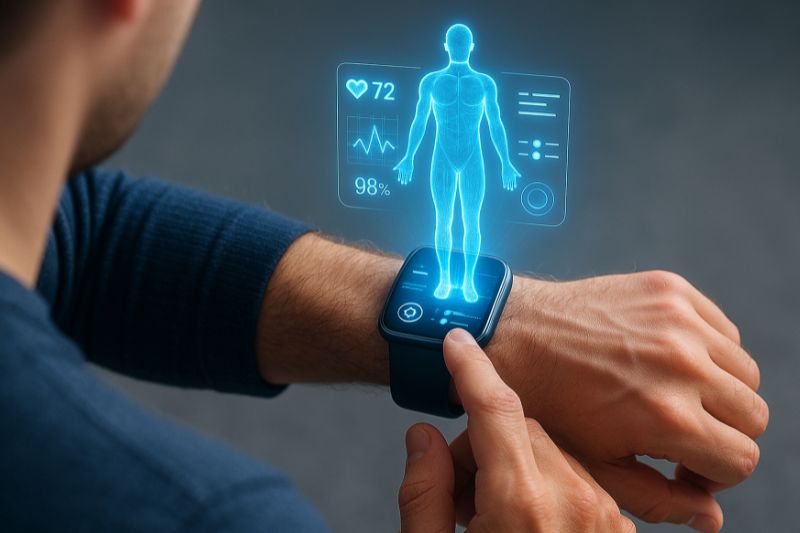
As a result, more people are actively monitoring their wellbeing, using wearable devices to track health data and seeking early insight from private GPs, reflecting a generation that is increasingly proactive in managing their health.
Here, Dr Stephen Feldman, Founder and Director of Yorkshire-based LivingCare Group, who has more than 40 years’ experience in health and diagnostic care, discusses the rise of a more health-conscious generation and what this means for the UK healthcare industry.
What is the ‘worried well’?
The term ‘worried well’ describes a growing group of people proactively seeking reassurance about their health. Rather than waiting for symptoms, they are investing time and money into maintaining wellbeing, treating health as something to manage, not just repair.
Several factors are driving this shift: greater access to personal health information, heightened awareness following the COVID-19 pandemic, and ongoing pressure on NHS services have all contributed to a more engaged and proactive population.
What is the impact?
As the population becomes more health-conscious, we are seeing a shift from reactive to proactive healthcare. Demand is increasing for early detection services, national screening programmes, private healthcare and health MOTs.
Overall, this shift could help create a healthier population and reduce long-term pressure on healthcare systems. By focusing on prevention and early detection, the need for complex treatments is reduced, enabling more efficient use of resources. Moving care upstream, from intervention to monitoring, can improve outcomes while supporting a more sustainable system.


